
The OpenSky Network is genuinely good, and any post comparing it to a paid product should start by saying so. It's a non-profit research network fed by volunteers running receivers, it has been running since 2013, it archives everything, and it has supported a large body of published aviation research. If you're a student, a researcher, or someone building a weekend project, it is very often the right answer and you should not pay us anything.
This post is about the other case: the specific points where teams outgrow it, and how to tell in advance whether you're going to be one of them. We sell a competing product, so read accordingly — but the failure modes below are the ones we actually get emails about, usually from someone who has already built on the free feed and hit a wall three months in.
What you get for free
OpenSky's REST API hands you state vectors. A state vector is the aircraft's current situation as the network understands it: the ICAO24 hex address, the callsign if one was broadcast, longitude and latitude, barometric and geometric altitude, velocity, track, vertical rate, and a squawk. You can pull all of them, or bound the query to a lat/lon box.
That's the raw material of a flight tracker, and it is the same underlying ADS-B that everyone else is decoding. Physics doesn't give anyone a better broadcast.
What you don't get is anything that isn't in the broadcast, which as it happens is most of what makes flight data useful. There is no registration, no aircraft type, no airline, no origin or destination, and no scheduled times, because none of that is transmitted by the aircraft. You get 4008f3 and a position, and turning that into "British Airways 777 from Heathrow" is your problem to solve with your own registry and your own schedule source.
For a research project that's fine. Researchers usually want the raw positions anyway and have their own reference data. For a product with users, it's a build project of its own, and it's the single most common reason people move.
The licence question, which is the actual query
Most people searching for "OpenSky API commercial use" want a straight answer, and the straight answer is: OpenSky is provided for non-commercial research and educational purposes, and commercial use requires arranging it with them directly rather than being covered by the default terms.
That's not a loophole to be argued around. The network runs on volunteers donating receiver coverage and on research funding. Building a commercial product on the free tier without talking to them is both a licence problem and, more practically, a business built on infrastructure that owes you nothing.
So the decision tree is short. If your use is research, teaching, or a personal project, the free feed is designed for you. If you're putting it behind a paid product, an internal business system, or anything a customer relies on, you need either a commercial arrangement with OpenSky or a commercial provider. Which of those is cheaper depends on your volume and is worth actually asking them about rather than assuming.
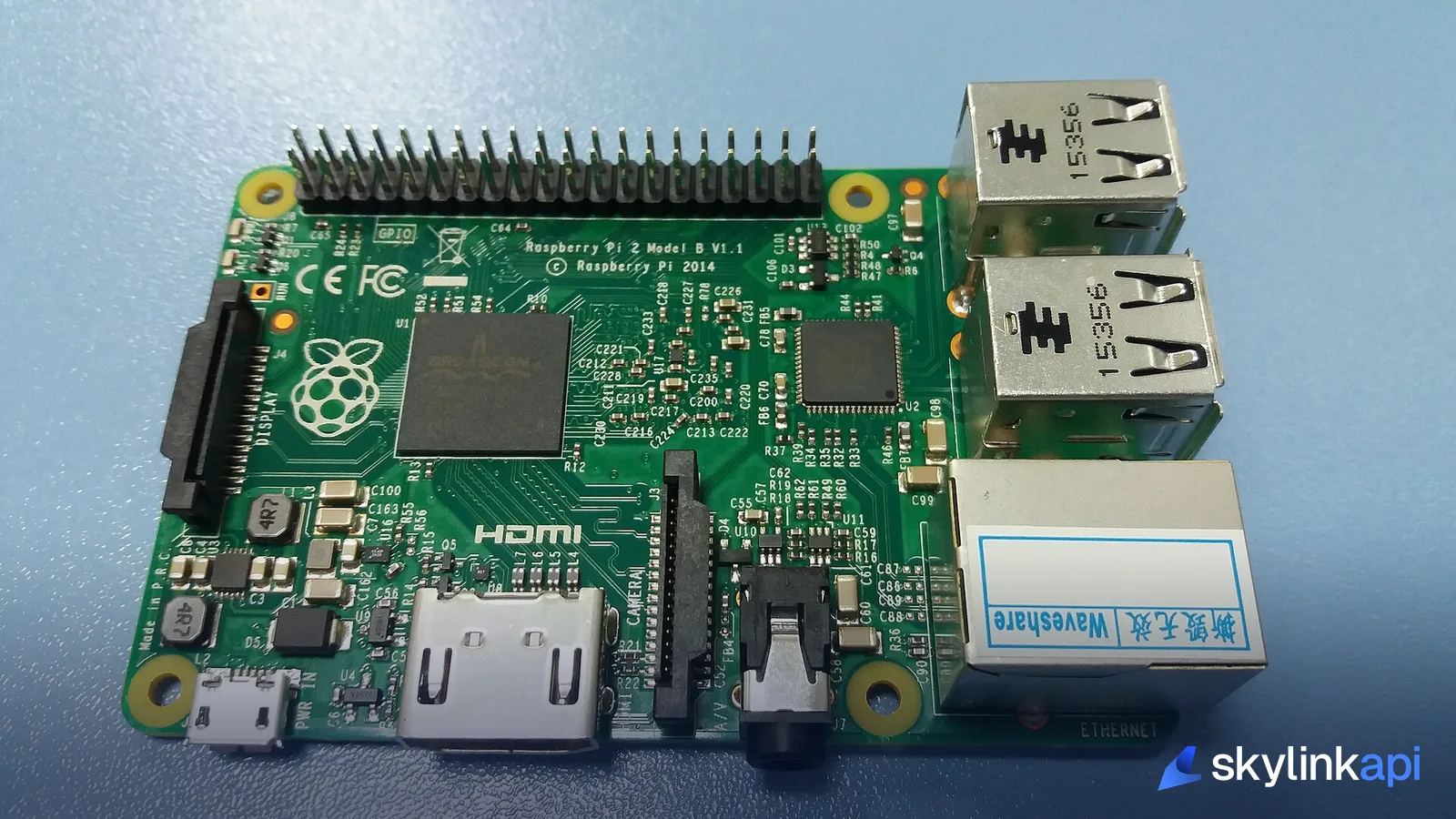
Where teams actually hit the wall
Four things, in roughly the order they bite.
Enrichment. Covered above, and it's the big one. The gap between a hex code and a useful record is a registry join, a schedule correlation, and a lot of maintenance as aircraft change registration and operators. Doing it yourself means sourcing and maintaining an aircraft registry, which is its own ongoing job rather than a one-time import.
Coverage where you need it. Community networks are dense where enthusiasts live. Europe is very well covered. Parts of the US are excellent. Large stretches of Africa, central Asia, and open ocean are thin to absent, because coverage follows volunteers and volunteers follow population and hobby culture. If your route network is transatlantic or intra-European you may never notice. If it's West Africa, you will notice immediately. Test your specific geography before committing, not a global average.
Rate limits and availability. The free API is rate limited, more generously if you authenticate and more generously still if you feed data back into the network. Those limits are set for research workloads rather than for a production polling loop, and they change. More to the point there is no SLA and no support queue, because it's a non-profit research service and was never sold as one. When it's down, it's down, and the correct response is patience.
Someone asking who supports it. This is the one that catches teams late. An enterprise customer's procurement questionnaire asks for the data source, its licence, its uptime commitment, and a support contact. "A volunteer research network, used outside its stated terms" is not an answer that survives that review, and by then the integration is load-bearing.
What a paid API is actually selling
Worth being precise, because it isn't the ADS-B. Everyone decodes the same broadcasts.
It's the enrichment join, maintained. It's coverage bought rather than hoped for, including the regions hobbyists don't live in. It's an uptime commitment with someone accountable for it. It's a licence your legal team can read. And it's a support address that answers.
For our part, the ADS-B endpoint returns positions with registration, aircraft_type, and airline already resolved on the same record, which is the specific piece of work most people are trying to avoid. Whether that's worth money depends entirely on what your time is worth and whether anyone is paying you for the result.
A reasonable way to decide
Prototype on OpenSky. Genuinely — it costs nothing, it will tell you whether your idea works, and if the idea doesn't work you've spent nothing finding out. We would rather you validated the concept free than bought a subscription for a project that gets abandoned in three weeks.
Then ask four questions before you go further:
Is this commercial? If yes, sort the licence out now rather than after launch, with them or with someone else.
Do I need type, operator, and registration on every record? If yes, price the build honestly — registry sourcing and maintenance, not just the join.
Where do I need coverage? Test that geography specifically.
Does anything break if the feed is unavailable for a day? If yes, you need a commitment, and a research network cannot give you one.
If all four answers point at the free feed, use the free feed. That's not us being modest; it's that a customer who should have used OpenSky and bought a subscription instead churns in two months and tells people we oversold them.
If they point the other way, the free trial is 1,000 requests a month and enough to test the enrichment against your own data before committing. If you're weighing running your own receivers instead, build vs buy for ADS-B ingestion works through what that costs, and free flight tracking APIs in 2026 covers the rest of the no-cost options alongside OpenSky.