
An airline once paid around $75 million for a single pair of takeoff-and-landing slots at London Heathrow — not an aircraft, not a route, just the right to use the runway once each way per day. To anyone outside aviation that sounds insane. Inside it, it's simple economics: at the world's most congested airports, the scarcest thing isn't planes or passengers — it's permission to land. Here's what an airport slot actually is and why it's worth a fortune.
What an airport slot is
A slot is the authorization to use an airport's full infrastructure — runway and terminal — to operate an arrival or departure at a specific time, on a specific day. At a busy hub you can't simply file a flight and show up; the airport can only handle so many movements per hour, and each of those movements is a slot that must be allocated in advance.
Airports are graded by congestion. Most are Level 1 (no shortage, land whenever). Some are Level 2 (busy, coordinated at peaks). The crowded few — Heathrow, plus the likes of London Gatwick, Frankfurt, Tokyo Haneda, and New York's JFK/LGA — are Level 3, fully coordinated, where every single movement needs a slot from a coordinator.
Why Heathrow slots are so valuable
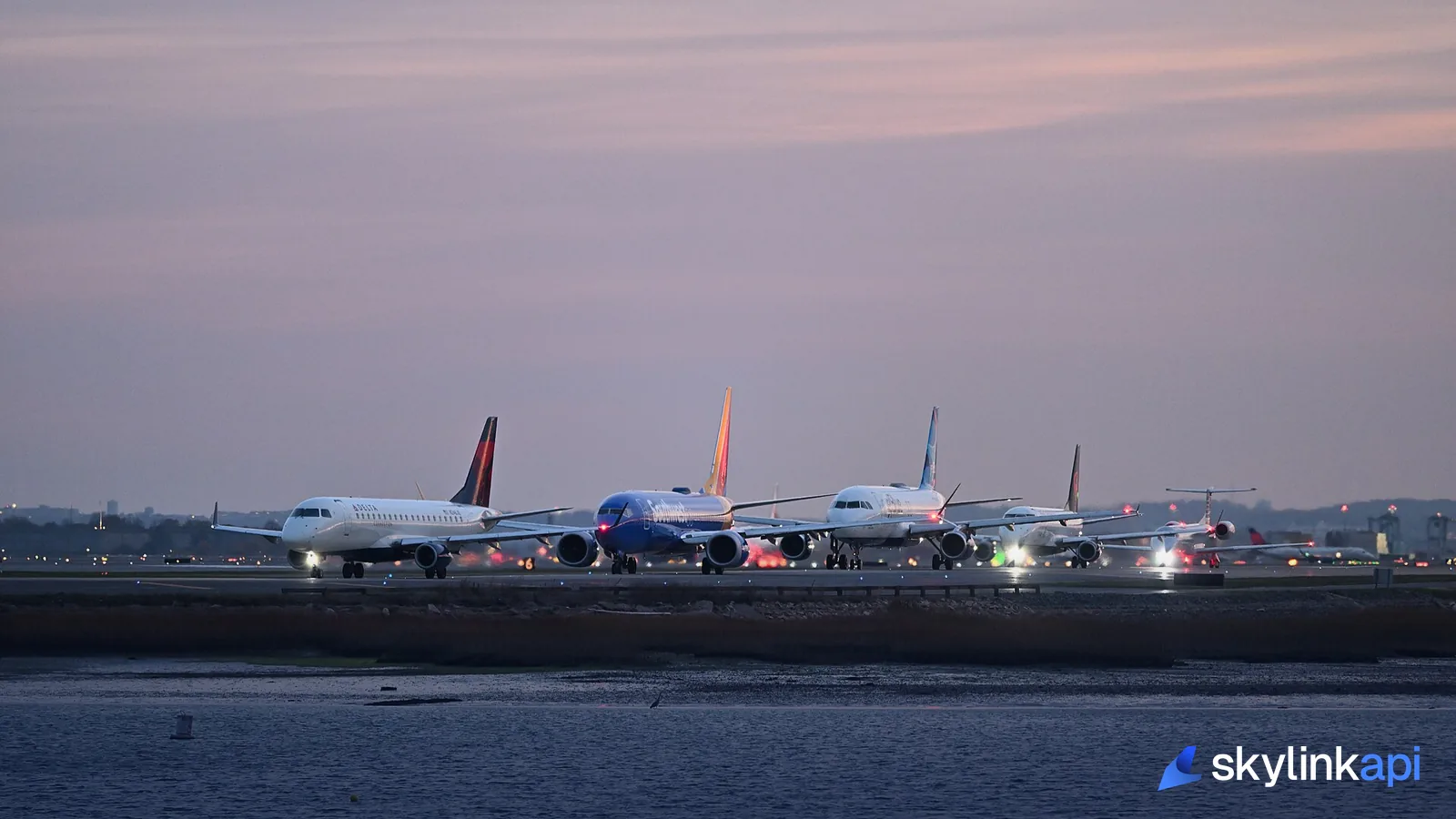
Heathrow is the textbook case. It handles some of the highest international passenger traffic on Earth with only two runways, and it runs them at roughly 99% of capacity all day. Demand to fly there vastly exceeds the supply of movements — every major airline wants Heathrow for the premium business traffic and connections — but there are simply no spare slots to hand out. When supply is fixed at the ceiling and demand keeps rising, the price of the scarce thing goes to the moon. That's why a Heathrow slot pair trades for tens of millions.
How slots are allocated
Most of the world coordinates slots under the IATA Worldwide Slot Guidelines, and the mechanics explain a lot of airline behavior:
- Historic ("grandfather") rights. An airline that held and used a slot last season keeps it next season. This is why incumbents dominate Heathrow — they've held their slots for decades.
- The 80/20 "use it or lose it" rule. To retain a historic slot, an airline must actually operate it at least 80% of the time. Fall below that and the slot returns to the pool. This rule is why airlines sometimes fly near-empty "ghost flights" — burning fuel purely to keep a slot they can't afford to lose.
- The slot pool and new entrants. Slots that are handed back, newly created, or unused go into a pool, with a share reserved for new-entrant airlines to preserve some competition.
Slot trading: the secondary market
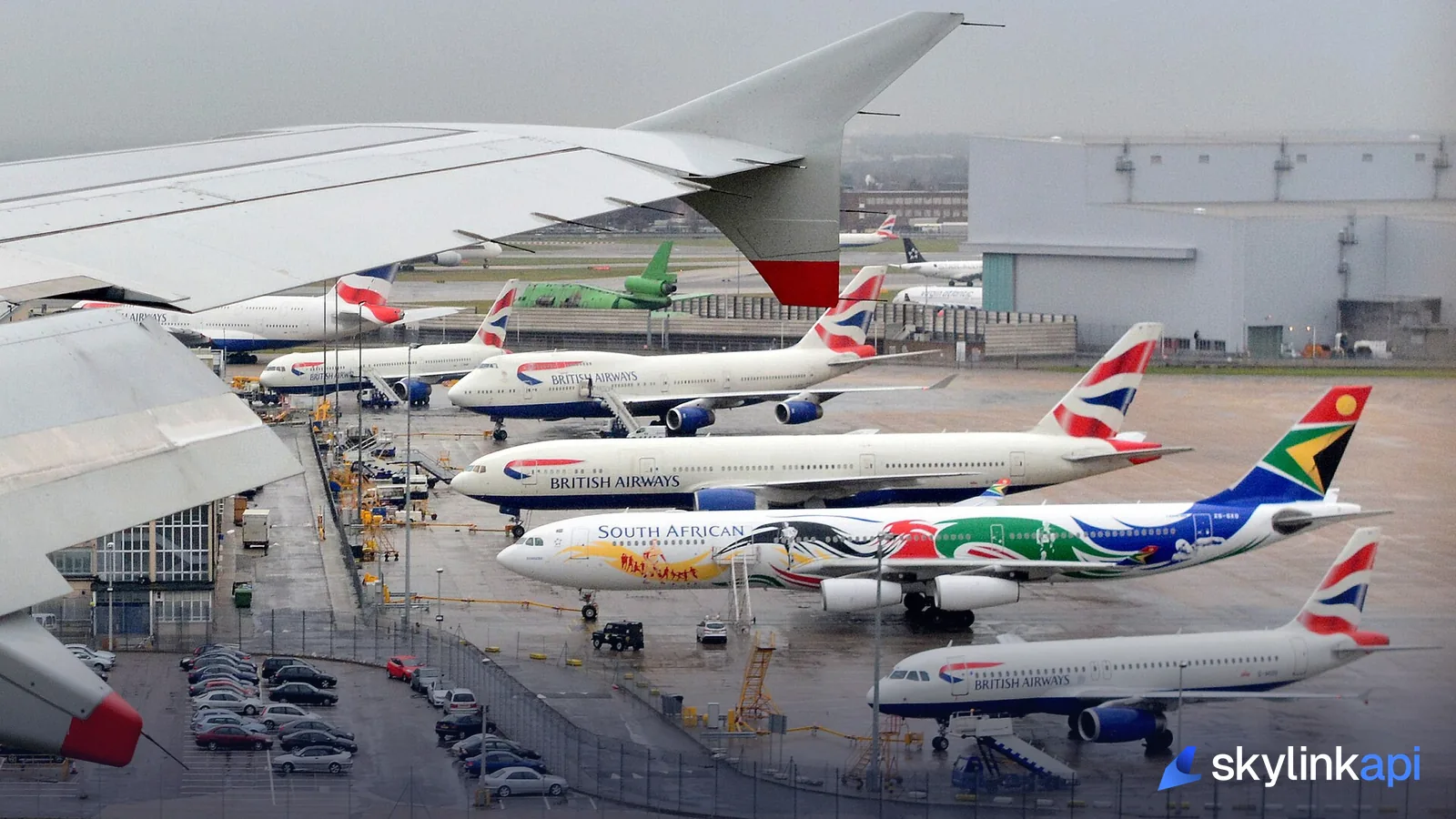
At some airports — Heathrow most famously — airlines can buy, sell, and lease slots to each other on a secondary market. Because historic rights make a slot a durable, tradeable asset, a peak-hour Heathrow pair becomes one of the most valuable pieces of "real estate" in aviation, changing hands for eye-watering sums when a carrier exits or restructures. The slot, not the plane, is often the prize in an airline merger or bankruptcy.
Why it matters beyond the airlines
Slots quietly shape the whole passenger experience: which airlines can fly where, how much competition a route has, and therefore what you pay. They're also why congestion at these hubs shows up as holding patterns and ground delays — when an airport is slotted to 99% capacity, there's no slack to absorb a weather day.
If you're building schedule or airport tools, the operational side of all this is data you can pull: airport details and runway capacity from the airports endpoint, live departure and arrival boards from schedules, and the congestion picture from FAA delays. SkyLink API gives you a free tier of 1,000 requests/month across all of it, with paid plans from $19/mo for production. It's available through the free trial — sign up, grab a key, and build on the same operational data the schedules run on.