
Every so often a bird strike makes the news — an engine trailing smoke, a precautionary landing, in one famous case an entire airliner gliding onto the Hudson River. It sounds like a freak event. It isn't: aircraft hit birds thousands of times a year, and the overwhelming majority of those encounters end with nothing worse than a cleaning bill. Here's how often bird strikes really happen, what they actually do to an aircraft, and why they're far less dangerous than the viral clips suggest.
How often bird strikes happen
Bird strikes are common and rising — not because flying is getting more dangerous, but because there are more flights and more birds, and reporting has improved. In the United States, the FAA's National Wildlife Strike Database logs on the order of 17,000+ reported strikes a year, and the global total runs far higher. The reassuring part is in the same data: the great majority — well over 90% — cause no significant damage to the aircraft at all. A strike is a routine hazard that aviation has engineered around, not a coin-flip with disaster.
When and where they happen
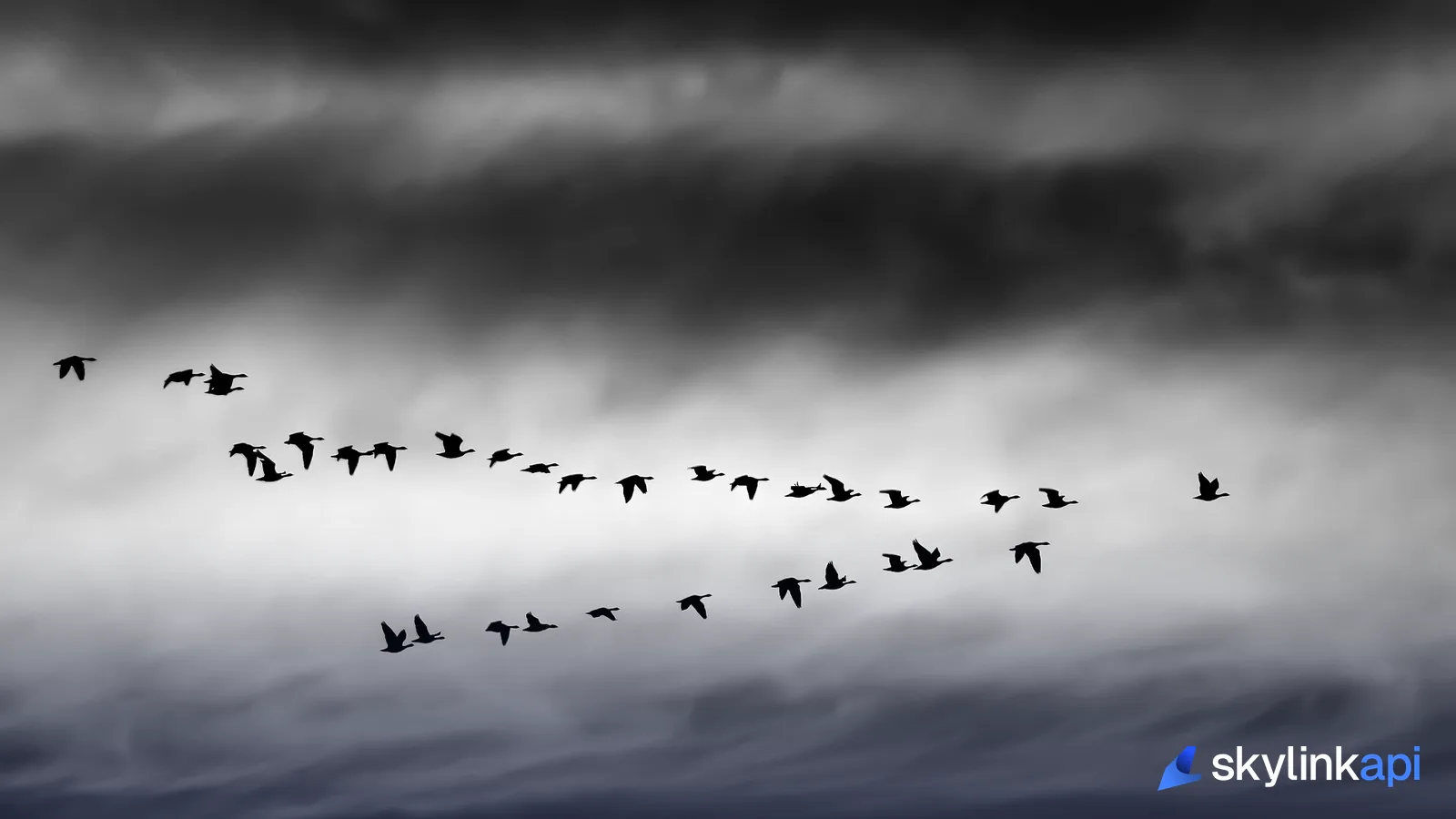
Bird strikes are overwhelmingly a low-altitude, near-airport event. The large majority occur during takeoff, initial climb, approach, and landing — the phases where the aircraft shares the birds' airspace below a few thousand feet. That's exactly the takeoff-and-landing window where the aircraft is slow, low, and close to the ground. Strikes thin out rapidly with altitude, though they're not unheard of at cruising levels where some migratory birds fly. Dawn and dusk, and the spring and autumn migration seasons, are the peak risk windows — which is why flocks of geese and gulls are the operational headache, not the occasional lone bird.
What a strike actually does
What happens depends entirely on what gets hit and how big the bird is:
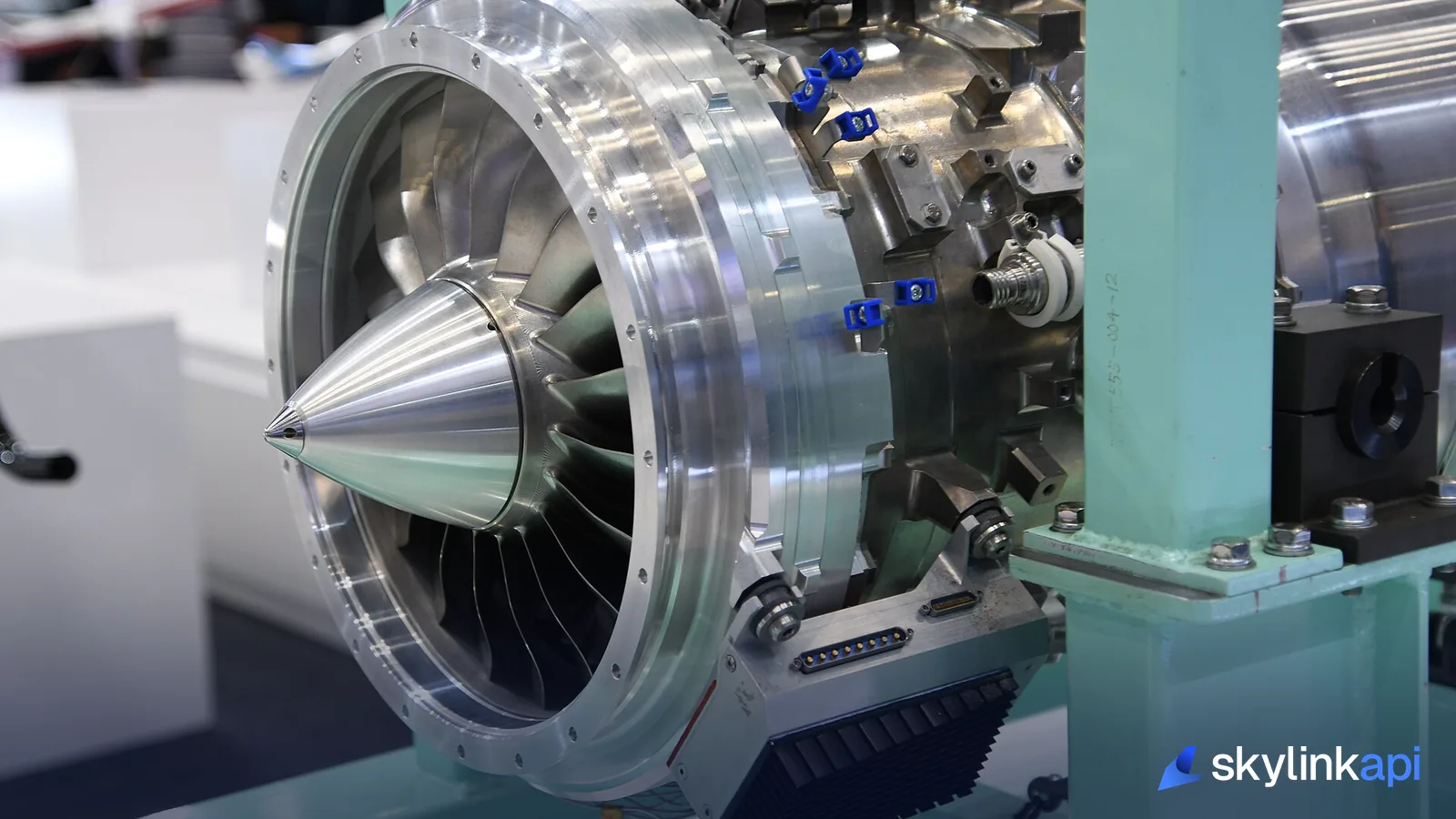
- Engines. The most serious case. A bird ingested into a jet engine can damage fan blades and, with a large enough bird or a flock, cause a partial or total loss of thrust. Engines are certified to survive bird ingestion up to specified sizes and keep running or shut down safely — but a flock of large birds, as in the 2009 Hudson River ditching, can overwhelm both engines at once.
- Windshield and airframe. A strike on the windshield can crack (rarely penetrate) the reinforced glass; hits on the nose, wings, or tail usually leave dents. Aircraft structures are tested against bird impacts precisely so a strike doesn't compromise control.
- Most strikes: nothing. By the numbers, the typical strike is a small bird against a wing or fuselage, found on a post-flight walkaround — a smear and a dent, no more.
How airports manage the risk
Because strikes cluster at airports, that's where the defense is concentrated. Airfields run active wildlife-management programs: draining standing water and removing the tall grass, crops, and roosts that attract birds; using pyrotechnics, distress calls, trained dogs, and even falcons to disperse flocks; and radar systems that track bird activity near runways. When a hazard is significant, it gets published to crews — bird and wildlife activity is a routine subject of NOTAMs, the notices pilots check before flying into an airport.
You can pull those notices programmatically. SkyLink API's NOTAMs endpoint returns the active notices for an airport, including wildlife-hazard advisories:
curl "https://skylink-api.p.rapidapi.com/notams/KJFK" \
  -H "X-RapidAPI-Key: $RAPIDAPI_KEY" \
  -H "X-RapidAPI-Host: skylink-api.p.rapidapi.com"
Scan the returned notices for bird and wildlife activity and you've got the same heads-up a flight crew reads during preflight — the front line of managing a hazard that, thanks to engineering and vigilance, very rarely becomes an emergency.
SkyLink API gives you a free tier of 1,000 requests/month across NOTAMs, airports, and ADS-B, with paid plans starting at $19/mo for production. It's available through the free trial — sign up, grab a key, and surface wildlife hazards before they reach the runway.