
You book a flight on British Airways, walk down the jet bridge, and find yourself on an American Airlines aircraft with an American crew. Your booking says BA1546; the aircraft's own callsign is something else entirely; and the same physical flight might be sold under three or four more numbers by other airlines. This isn't a mistake — it's a codeshare, one of the most common and most confusing arrangements in commercial aviation. Here's why one plane ends up with five flight numbers.
What a codeshare actually is
A codeshare is an agreement that lets one airline sell seats on another airline's flight under its own flight number. The key is the split between two roles:
- The operating carrier — the airline that actually owns the aircraft, employs the crew, and physically flies the route.
- The marketing carrier — an airline that sells that same flight under its own two-letter code and flight number, without operating it.
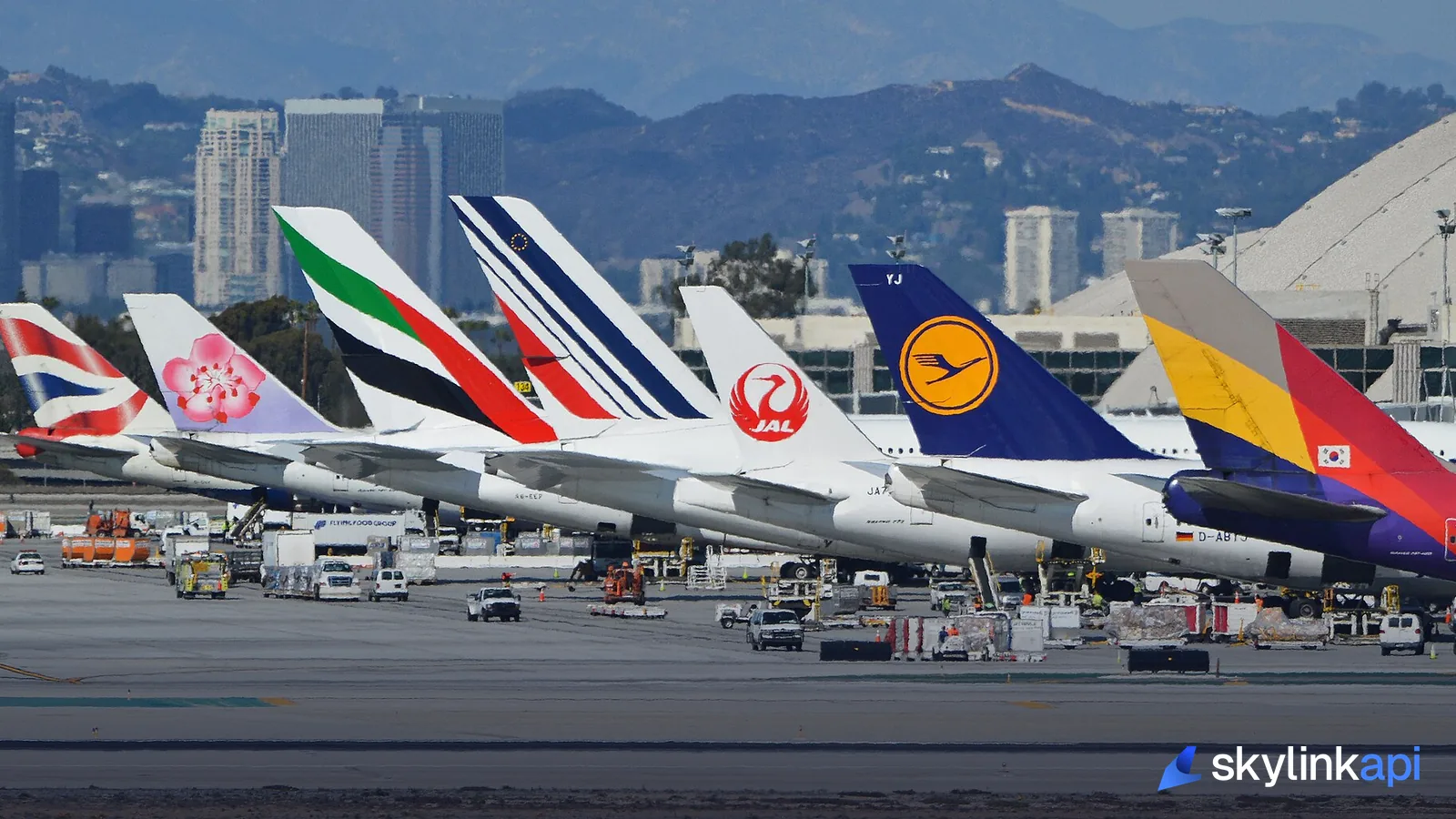
A single departure has exactly one operating carrier but can have several marketing carriers. So one aircraft, one crew, one takeoff — and five different flight numbers in five different airlines' booking systems, all pointing at the same seats.
Why airlines do it
Codesharing exists because no airline flies everywhere, and selling a partner's flight is cheaper than launching your own. It lets a carrier advertise a global network it doesn't actually operate — a passenger books one itinerary, one ticket, one baggage check, while different airlines fly each leg. It also feeds traffic: a regional partner's flight fills the long-haul that connects onward.
Most codeshares live inside the three big alliances — Star Alliance, oneworld, and SkyTeam — whose members share codes, lounges, and frequent-flyer benefits across the group. That's why your Star Alliance miles earn on a flight sold by one member and flown by another. The flip side is the confusion: your boarding pass, the departure board, and the aircraft livery can all show different names.
Marketing number vs operating number
The number you booked under is the marketing flight number. The number the aircraft flies under — the one air traffic control uses and the one that shows the real operational status — is the operating flight number, and it belongs to the operating carrier. This is a close cousin of the callsign vs flight number distinction, and it's rooted in the same ICAO and IATA airline codes that identify every carrier. When you want live status — is it delayed, what gate, has it left — you want the operating flight, because that's the one the airports and trackers are following.
How to find who really flies your plane
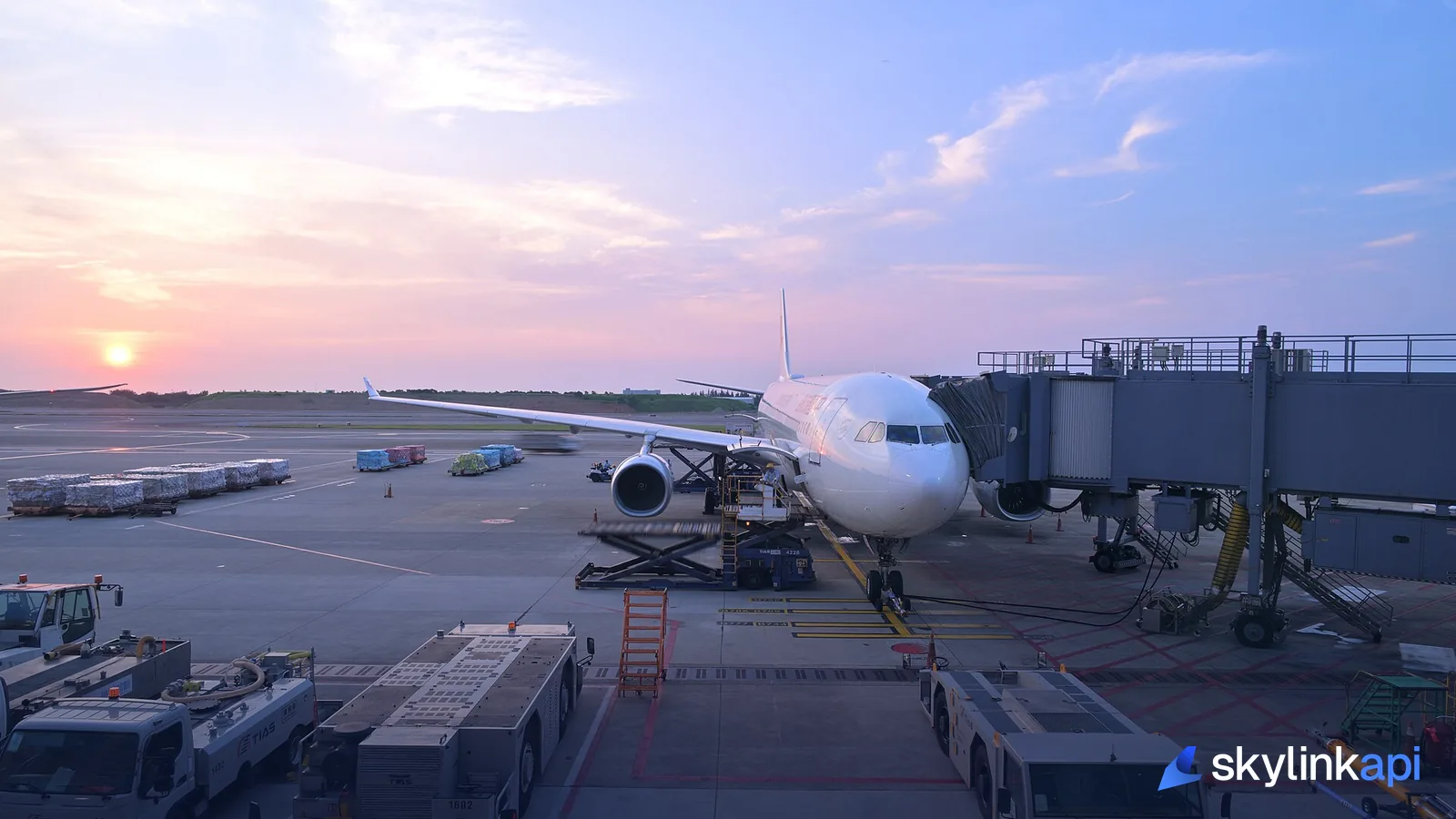
Airlines are required to disclose the operating carrier at booking ("operated by ..."), but it's easy to miss. Programmatically, you resolve a flight number to the airline actually running it — and its live status — with a flight-status lookup.
SkyLink API's flight status endpoint takes a flight number and returns the airline, live status, times, terminal, and gate:
curl "https://skylink-api.p.rapidapi.com/flight_status/BA123" \
  -H "X-RapidAPI-Key: $RAPIDAPI_KEY" \
  -H "X-RapidAPI-Host: skylink-api.p.rapidapi.com"
The response's airline and operational fields tell you who's really flying and what's happening right now; the schedules endpoint lists an airport's departures and arrivals so you can match a marketing number to the actual operating service on the day. Together they cut through the codeshare tangle to the one aircraft underneath.
Why it matters to you
Beyond curiosity, the operating carrier decides the things you actually feel: the aircraft type and seat, the catering, the baggage rules, and which terminal you leave from. Loyalty points usually follow the marketing carrier you booked, but check-in, boarding, and delays follow the operator. Knowing which is which turns a confusing booking into a predictable trip.
SkyLink API gives you a free tier of 1,000 requests/month across flight status, schedules, and airline data, with paid plans starting at $19/mo for production. It's available through the free trial — sign up, grab a key, and find the real flight behind any number.