
Your flight was headed to Chicago, but somewhere over the Midwest it turned and landed in Milwaukee instead. That's a diversion — one of the more disruptive things that can happen to a flight, and one of the most misunderstood. A diversion isn't an emergency by default and it isn't random; it's a deliberate decision to land somewhere other than the destination, made for a specific reason. Here's why flights divert, how the crew picks where to go, and how you can track where a diverted flight actually ends up.
What a diversion actually is
A diversion is simply a flight that lands at an airport other than its scheduled destination. It's distinct from a delay (same destination, later) and from a hold (circling near the destination, waiting to land — which we cover in why is my flight circling). A diversion means the aircraft commits to a different airport and lands there. Sometimes it continues to the original destination hours later; sometimes the trip effectively ends where it diverted. Airlines plan for the possibility on every flight by nominating one or more alternate airports before departure.
Why flights divert
The reasons cluster into a handful of buckets:
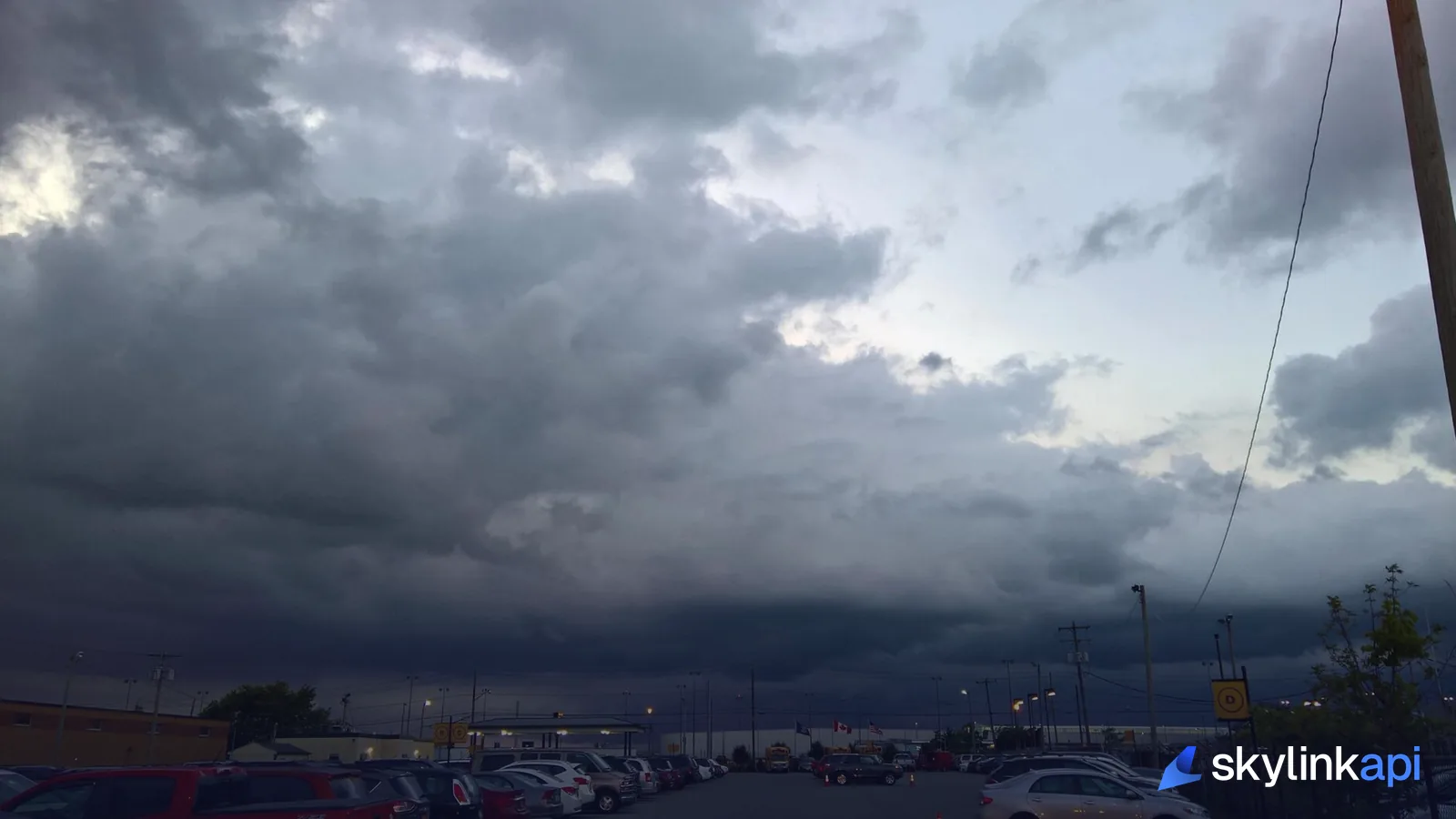
- Weather at the destination. The most common cause. A thunderstorm parked over the field, fog that drops visibility below minimums, or a strong crosswind can make the destination temporarily unlandable — so the flight goes to its alternate. This is the same congestion-and-weather pressure that produces ground stops and FAA delay programs.
- Medical emergency. A seriously ill passenger or crew member means landing at the nearest suitable airport, fast — often nowhere near the route's endpoints.
- Technical issues. A warning the crew won't fly on with, a pressurization problem, or a precautionary shutdown sends the aircraft to the closest airport that can handle it.
- Disruptive passengers or security concerns. Enough of a problem in the cabin, and the flight lands to offload it.
- The destination closes. A disabled aircraft on the only runway, a runway incursion, or a sudden closure leaves inbound flights with nowhere to land.
- Fuel. Holding or headwinds can eat into reserves until diverting to refuel is the safe call.
Where it actually lands
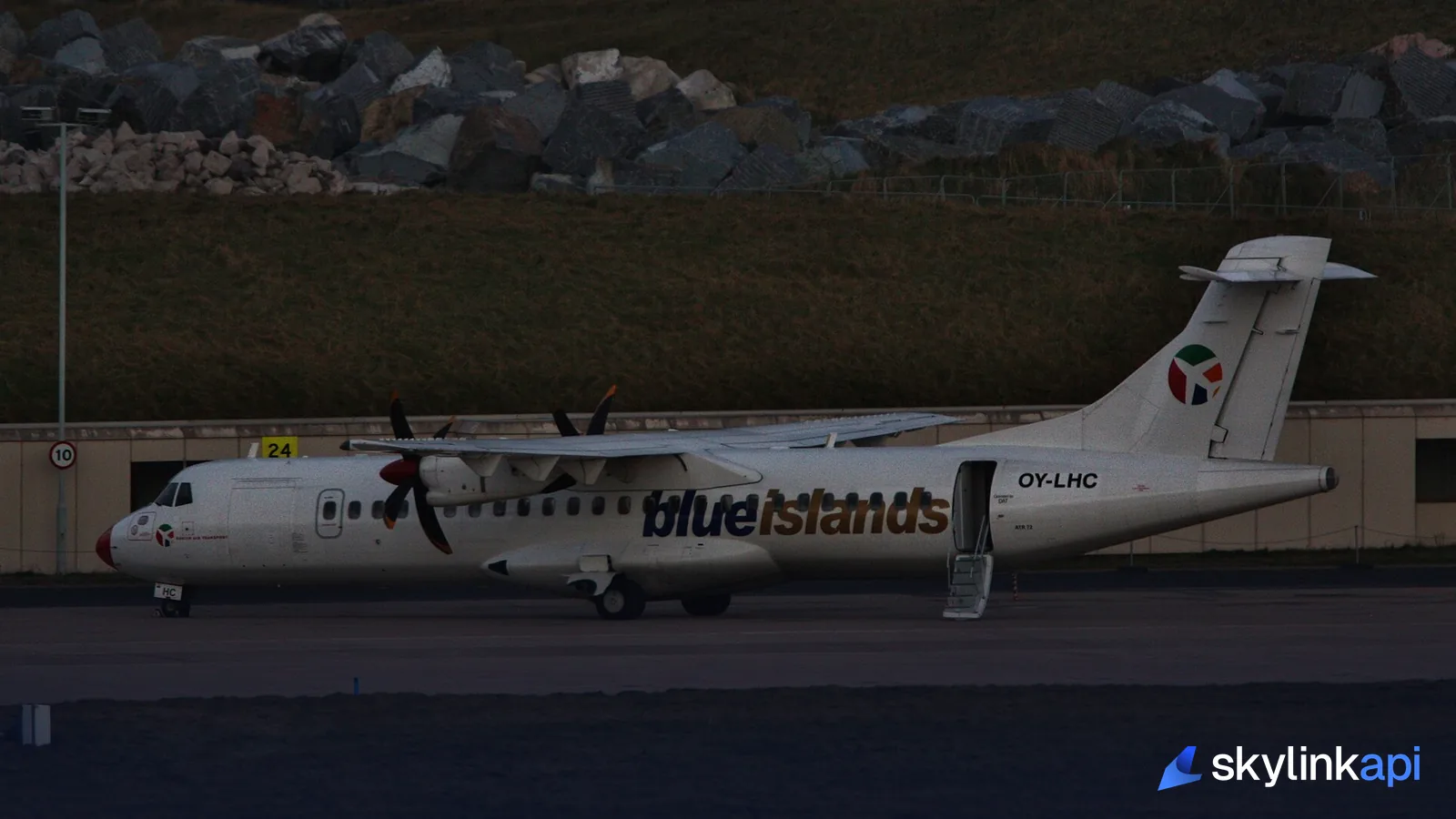
The crew doesn't pick randomly. They choose the nearest suitable airport — one with a long enough runway for the aircraft type, the right approach aids for the weather, emergency services if needed, and ideally the airline's own ground handling. For a medical or technical emergency, "nearest suitable" wins outright. For a weather diversion, it's usually the pre-planned alternate the dispatcher already fueled for. That's why a transatlantic flight might divert to Gander or Shannon — not because they're big hubs, but because they're the right airport in the right place.
How to track a diversion in real time
This is where it gets interesting for anyone building flight tools, because a diversion shows up in the data before any airline announcement does. A flight status lookup gives you the scheduled picture — origin, intended destination, times — while the live ADS-B feed shows where the aircraft actually is, and the mismatch between them is the diversion.
Start with the flight status endpoint to get the plan:
curl "https://skylink-api.p.rapidapi.com/flight_status/UA245" \
  -H "X-RapidAPI-Key: $RAPIDAPI_KEY" \
  -H "X-RapidAPI-Host: skylink-api.p.rapidapi.com"
Then follow the aircraft on the live ADS-B endpoint: when its track turns away from the destination and its altitude starts down toward a different field, you're watching a diversion unfold. The moment its position settles and it stops moving, it's landed — the same descent-and-touchdown signature we break down in detecting takeoffs and landings from ADS-B. Cross-reference the landing coordinates with the nearest airport and you know exactly where the flight actually ended up.
SkyLink API gives you a free tier of 1,000 requests/month across flight status and live ADS-B, with paid plans starting at $19/mo for production. It's available through the free trial — sign up, grab a key, and track a flight all the way to wherever it really lands.