
A long-haul flight takes off, and minutes later something goes wrong — a warning light, a sick passenger, a technical fault. The crew needs to turn back and land right away. But before they do, the aircraft spends time circling, or you read that it "dumped fuel" first. Why would a plane in a hurry to land deliberately throw away thousands of dollars of fuel? The answer comes down to a weight limit most passengers have never heard of, and it's one of the more fascinating pieces of how airliners are engineered. Here's why planes dump fuel.
Maximum takeoff weight vs maximum landing weight
Every airliner has two different weight limits, and the gap between them is the whole story. Maximum takeoff weight (MTOW) is the most the aircraft can weigh when it starts its roll. Maximum landing weight (MLW) — always lower — is the most it can weigh when it touches down. A long-haul jet departs near its MTOW, heavy with the fuel it needs to cross an ocean, planning to burn off that fuel en route and arrive light enough to land safely. The landing gear and structure are certified for the lower MLW, not the fully-fuelled takeoff weight.
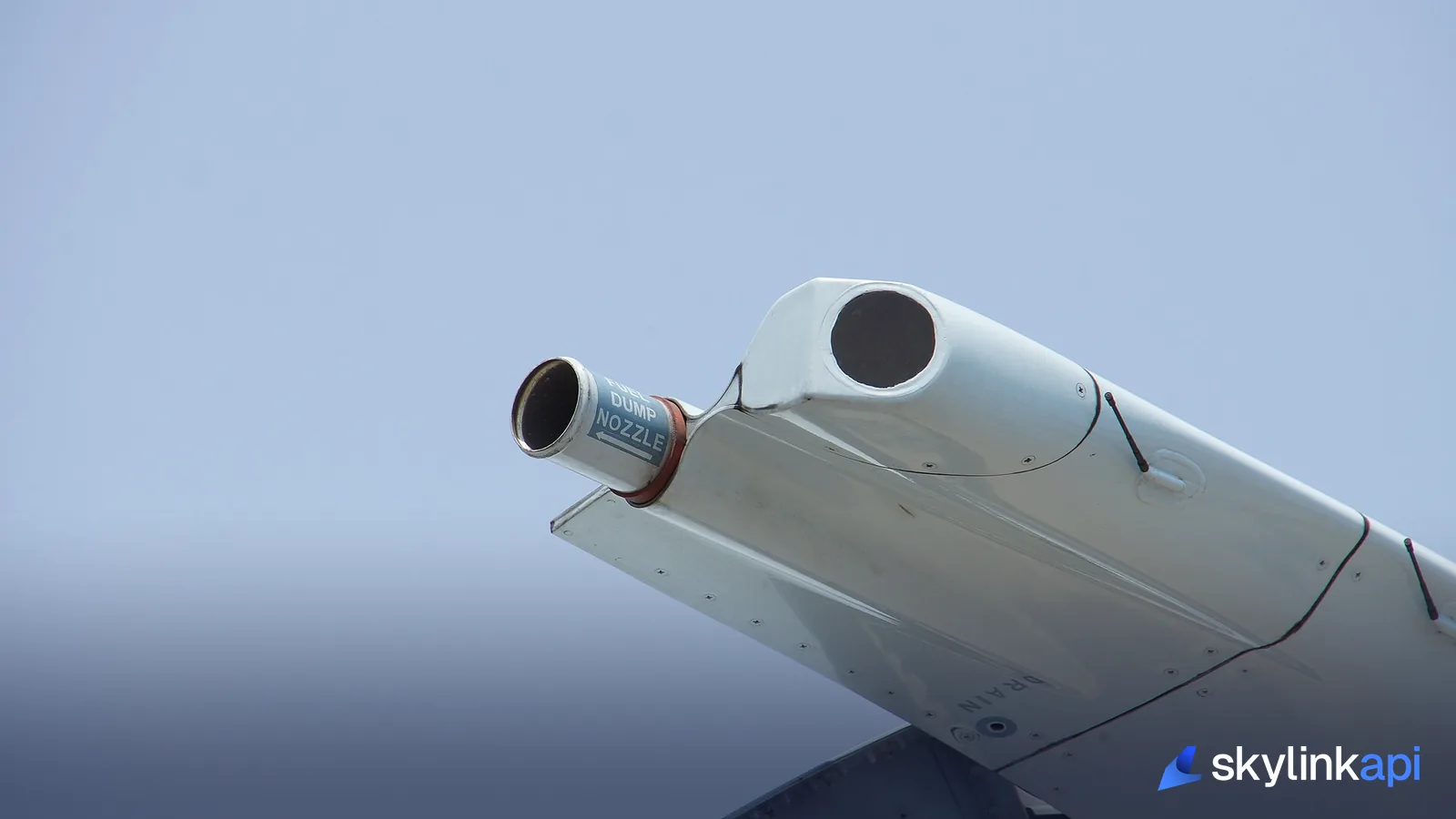
Why not just land heavy?
So when a fully-fuelled jet has to return right after takeoff, it's far heavier than its maximum landing weight — and something has to give. Touching down overweight isn't automatically dangerous, but it stresses the landing gear and airframe, demands a longer rollout, and heats the brakes hard. Any overweight landing then requires a thorough inspection before the aircraft can fly again. To get down to a safe, normal landing weight, the crew has two options: burn the fuel off by circling in a holding pattern, or dump it to shed the weight fast. Which they choose depends on how urgent the problem is.
How fuel dumping actually works
Aircraft equipped for it have jettison nozzles, usually near the wingtips, that pump fuel overboard through the trailing edge. It's done deliberately: at a safe altitude, ideally over water or unpopulated terrain, and coordinated with air traffic control, which keeps other traffic clear. The fuel atomizes into a fine mist and largely evaporates before reaching the ground. Crucially, not every airliner can dump fuel — the capability adds weight and plumbing, so it's mostly fitted to larger, long-haul aircraft. Many narrow-body jets have no dump system at all; their maximum landing weight is close enough to takeoff weight that they either burn fuel off in a hold or perform a controlled overweight landing.
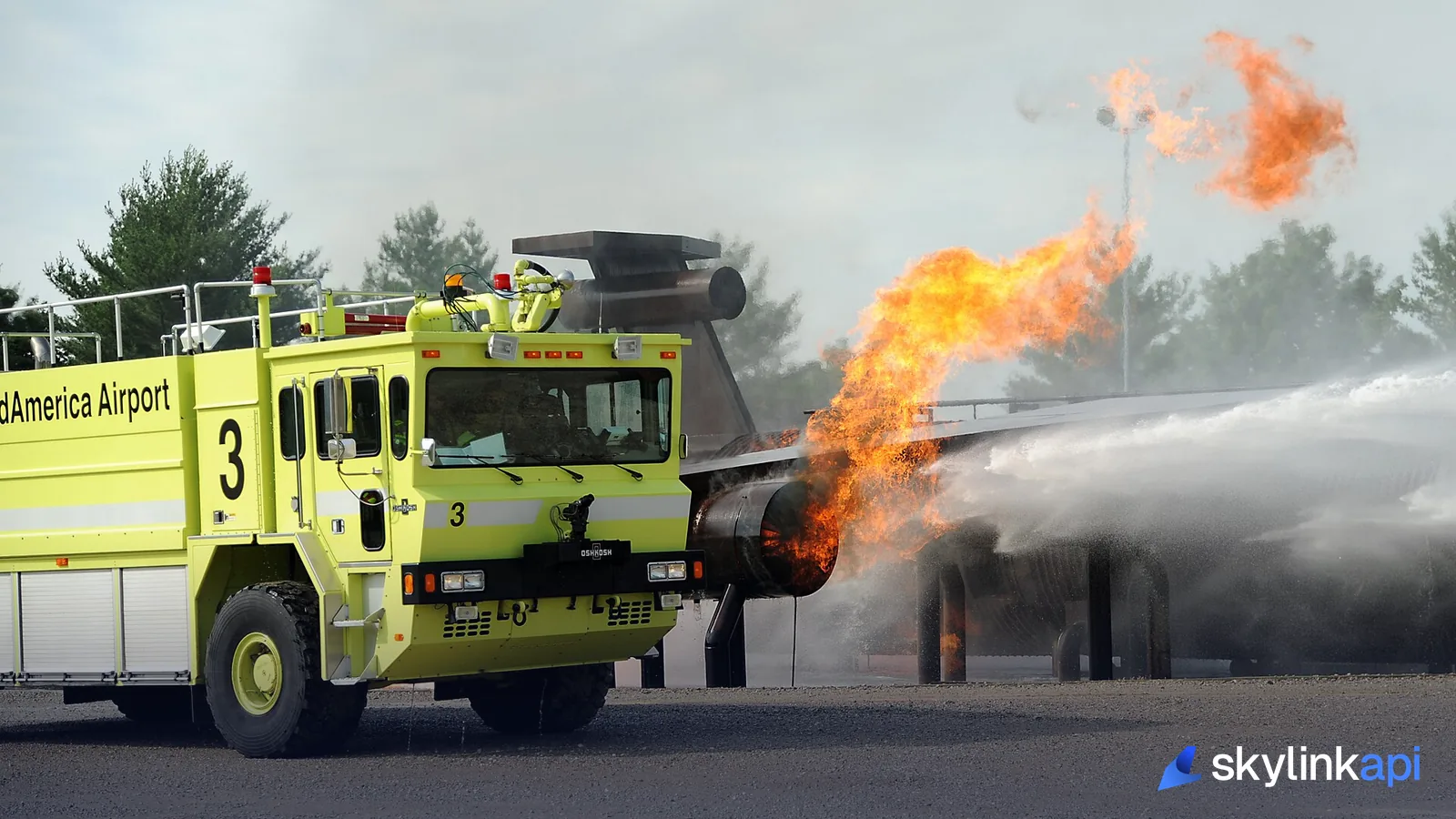
The emergency-landing picture
Fuel dumping is almost always part of a return-to-field or diversion: a problem appears, the crew decides to land, and dumping or burning fuel is the step in between. If time doesn't allow it — a serious fire or a medical emergency — the crew will simply land overweight and accept the inspection; safety of the landing always beats saving the gear. Either way, airport fire and rescue crews roll out and stand by on the runway as a precaution for any heavy or abnormal landing. What looks dramatic from the terminal is usually a well-drilled, routine response.
Spotting it in live flight data
A fuel dump or burn-off has an unmistakable signature you can watch on a tracker. An aircraft that took off and then needs to return doesn't fly away — it stays near the departure airport, tracing slow racetrack loops at a holding altitude before coming back to land. Pull the live ADS-B feed around the departure field and the pattern gives it away:
# Aircraft within ~40 km of London Heathrow, watching for a return-to-field loop
curl "https://skylink-api.p.rapidapi.com/adsb/aircraft?lat=51.47&lon=-0.45&radius=40" \
  -H "X-RapidAPI-Key: $RAPIDAPI_KEY" \
  -H "X-RapidAPI-Host: skylink-api.p.rapidapi.com"
An aircraft whose latitude/longitude trace repeating loops near the airport, altitude pinned and then descending back toward the runway it just left, is very likely burning down or dumping fuel before an overweight-avoiding return — the same closed-loop track behind holding patterns.
SkyLink API gives you a free tier of 1,000 requests/month of live ADS-B and flight data, with paid plans starting at $19/mo for production. It's available through the free trial — sign up, grab a key, and watch a return-to-field unfold from your own code.